

An evidence-based look at Azitra's emerging microbiome and filaggrin skin programs, including early lab data for ATR-COSF and the importance of human trials.





In September 2026, a clinical biotechnology company called Azitra shared details about its precision dermatology pipeline at the H.C. Wainwright 28th Annual Global Investment Conference. The presentation focused on the use of engineered skin bacteria to address complex dermatological issues. Two notable programs took the spotlight during the conference. The first is ATR-04, which uses a live engineered strain of Staphylococcus epidermidis for patients experiencing severe medication related rashes.
The second program, called ATR-COSF, relies on a bioidentical human filaggrin technology intended for future cosmetic applications. Azitra noted its broader platform includes a library of approximately 1500 skin bacterial strains. The company also utilizes an artificial intelligence discovery platform and specialized genetic engineering technology licensed from Fred Hutchinson Cancer Center. This emerging science points toward a highly targeted approach to managing skin barrier function and hydration without overpromising immediate results.
The biological foundation of this pipeline centers on understanding how specific proteins and bacteria interact with our skin surface. ATR-04 is an investigational live biotherapeutic being developed for rashes associated with epidermal growth factor receptor inhibitors. These specific medications are commonly known as EGFR inhibitors. The company notes that EGFR inhibitor associated rash is a painful eruption affecting the face, mouth, and eyes.
A 2026 systematic review of 194 randomized controlled trials estimated the incidence of this all grade rash at 52.30 percent. The same extensive review placed the high grade rash incidence at 9.50 percent among patients. Azitra aims to address this severe inflammation by using a specifically selected bacterial strain. The company identified a strain of Staphylococcus epidermidis that inhibits both IL-36γ and Staphylococcus aureus in laboratory models.
IL-36γ is a protein directly involved in inflammatory pathways. Staphylococcus aureus is a common bacterium that can aggressively aggravate sensitive or compromised skin. The consumer oriented ATR-COSF program takes a biologically distinct approach to skin support. Instead of applying live bacteria directly to the skin, this program uses a supernatant from an engineered Staphylococcus epidermidis strain that secretes filaggrin.
The bacterial liquid is collected and concentrated, ensuring the final cosmetic product contains no live bacteria. Filaggrin is highly relevant to natural barrier function because it breaks down into free amino acids. These specific amino acids become natural moisturizing factors that help retain water in the outer skin layers. Independent scientific context links defects in skin barrier biology with increased epidermal fragility.
The potential to deliver bioidentical proteins directly to the epidermis could offer new ways to address chronic dryness. The company reported that filaggrin appeared to pass through the stratum corneum in its isolated models. It also seemed to colocalize with keratin and positively influence keratohyalin structures during these early tests. These specific mechanisms highlight how modern bioengineering seeks to mimic the body's natural moisture retention systems.
When we evaluate new clinical claims, we always look closely at the specific numbers behind the early research. ATR-04 is currently being evaluated in a multicenter, randomized Phase 1/2 trial involving 32 adults. This early study uses a three to one active treatment to vehicle control allocation. The primary objectives of this initial trial are strictly safety and tolerability.
In company described laboratory models, the results for ATR-04 look highly targeted. The selected strain reduced IL-36γ by approximately 75 percent at the higher dose in reconstructed human epidermis. It also reduced methicillin resistant Staphylococcus aureus by approximately 99 percent at the highest dose in ex vivo pig skin. Azitra COO Travis Whitfill stated the goal is to help patients avoid antibiotics and continue cancer therapy.
The data for the ATR-COSF cosmetic program is similarly rooted in early laboratory testing. The company reported a marked increase in filaggrin levels eight and 24 hours after application in its skin models. They also noted reduced transepidermal water loss in a specific dehydrated skin model. Azitra described a planned first in human study focused on fine lines and wrinkles in approximately 30 subjects.
It is critical to recognize the boundary between a successful laboratory model and a proven human outcome. The most important limitation of the current ATR-COSF data is that the reported hydration findings come entirely from company described laboratory models. A reduction in water loss in an isolated tissue sample does not guarantee a durable moisturizing benefit in actual people. The finished product's human safety, stability, and real world performance still require thorough clinical evaluation.
While topical filaggrin sounds promising, a 2026 review exploring how age related microbiome changes affect healthy aging adds a necessary note of caution. The review reported that aging can alter the skin conditions that shape microbial composition and activity. It also associated aging skin with changes in hydration, surface pH, and overall barrier recovery. However, the review clearly warned that although the microbiome may influence barrier pathways, actual causality remains unproven.
"I remember speaking with a dermatologist who told me her patients were coming in with severe anxiety about normal skin aging. That anxiety was driven entirely by social media filters and aggressive marketing. That conversation became a cornerstone of our philosophy. We decided right then that our publication would never frame natural changes like wrinkles or thinning hair as personal failures."
This philosophy is exactly why we emphasize waiting for human trials before adopting new cosmetic technologies. When marketing materials highlight early laboratory success, it is easy to feel a false sense of urgency. Readers should therefore view ATR-COSF as an investigational concept rather than an established treatment for visible aging. Protecting your skin health is a lifelong process that does not require chasing every unproven trend.
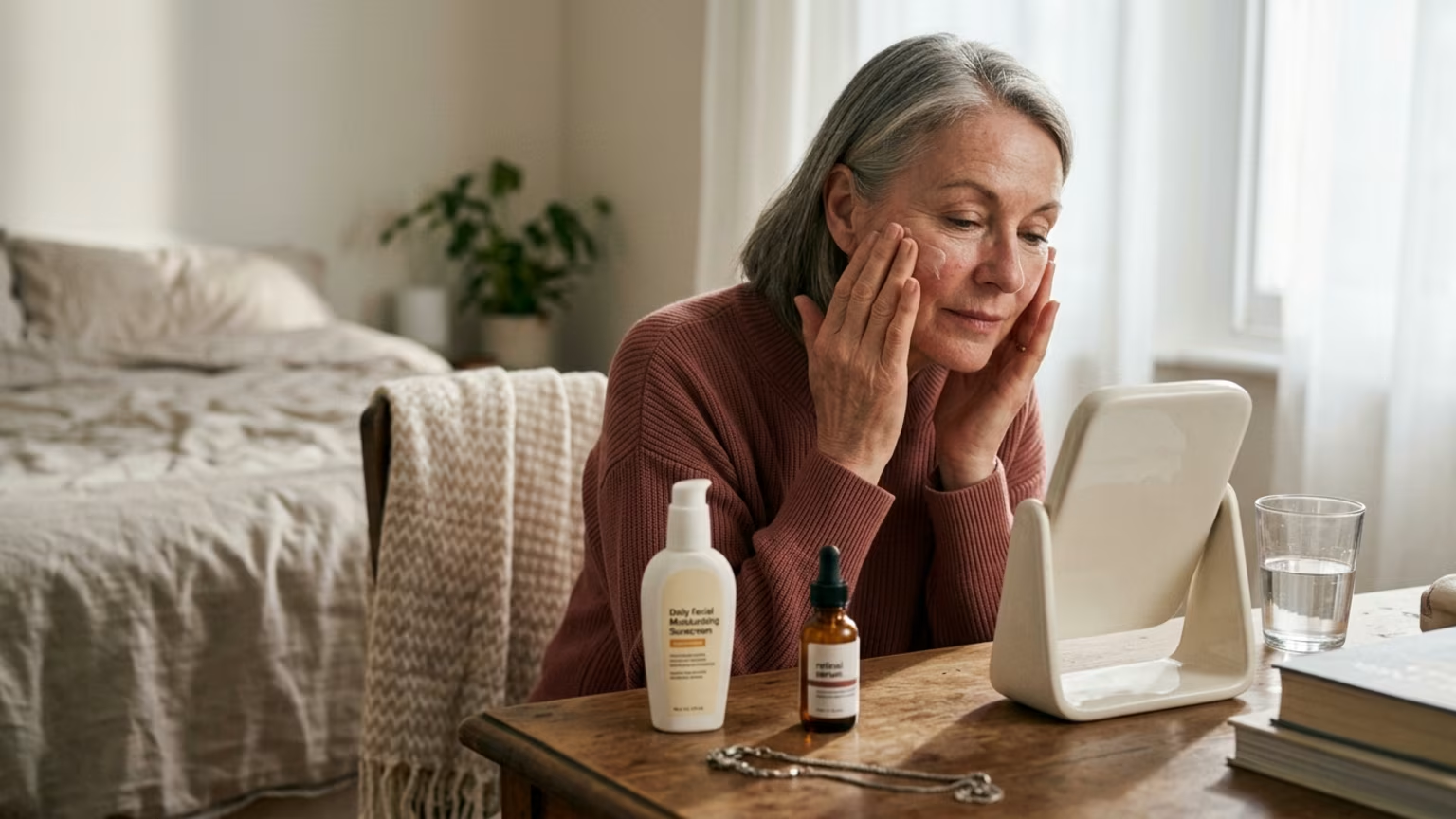
While we wait for human trials on engineered filaggrin, health conscious women can still apply the underlying science to their daily habits. The concept of transepidermal water loss is a highly useful framework for understanding skin health. When water evaporates too quickly from the skin surface, the barrier becomes compromised and prone to irritation. You can protect your own natural filaggrin production by avoiding harsh exfoliants that aggressively strip the stratum corneum.
An evidence based routine prioritizes gentle cleansing, regular moisturization, and daily broad spectrum sun protection. Brands that invest in consistent barrier repair strategies often focus on ingredients like ceramides and humectants to slow down moisture loss. You can support this biological process by applying gentle moisturizers to slightly damp skin immediately after washing. We also recommend looking closely at how dietary patterns support hydration to address dryness from the inside out.
Understanding how to read clinical data empowers you to make better long term choices for your skin. Consumers should clearly distinguish between a cosmetic designed to improve the appearance of fine lines and a medical treatment. Readers considering experimental or clinically oriented products should look for a clearly described human study with a proper comparator. We encourage you to seek out established publication records rather than relying entirely on early laboratory findings.
The development of targeted bacterial strains and bioidentical proteins represents a sophisticated shift in how we approach skin health. As companies move these complex technologies from laboratory models into human trials, we will finally learn if engineered filaggrin can meaningfully improve how our skin retains moisture over time. Will the next decade of skincare focus more on replacing the specific proteins we lose as we age, or will the industry prioritize supporting the skin's existing microbial environment?
Stay connected for research and practical guidance on skin, hair, collagen, nutrition and beauty longevity. Clear ideas for people who want to understand how appearance changes with age and make better-informed choices over time.



Understand your skin, hair and body better without chasing every new trend, treatment or promise.
explore the Blog