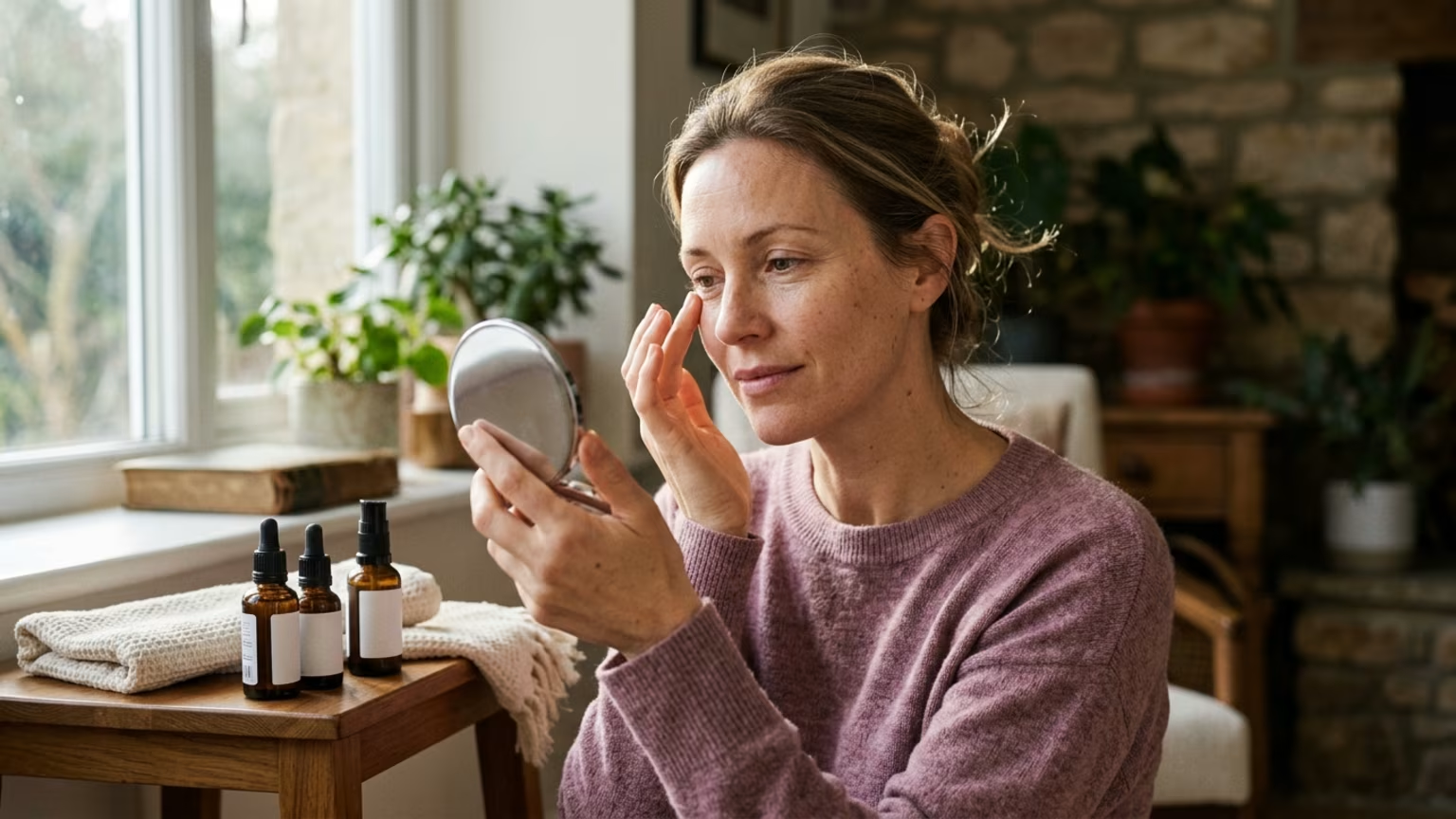

A September 2026 report clarifies the clinical evidence behind hydrogen peroxide, biotin, minoxidil, and red light masks for skin and hair health.





In September 2026, a health segment on We Are Iowa titled "Daily Dose: Skip the peroxide, skip the supplements" revealed important expert guidance. The broadcast summarized what actually works for routine skin care, hair health, and at-home light therapy. It clarified the clinical evidence behind hydrogen peroxide, popular biotin supplements, topical minoxidil, and near-infrared light masks. These findings offer health-conscious adults a grounded framework for evaluating daily beauty routines. The experts provided a realistic look at how these interventions interact with our biology.
The broadcast translated several biological mechanisms into clear, everyday language. During our extensive research into environmental aging, we tested how various lifestyle factors impact skin barrier recovery. It was fascinating to see the data clearly show that simple habits like sleep and basic hydration often outperform the most expensive topical treatments. This foundational principle applies directly to minor wound care. Experts now explicitly advise against routine hydrogen peroxide use.
Hydrogen peroxide can harm healthy tissue alongside unwanted bacteria. This harsh action severely irritates the skin and ultimately slows the natural healing process. Our cells require a stable environment to regenerate efficiently. Instead, professionals recommend basic soap and water followed by an antibiotic ointment and a protective bandage. Gentle methods better support natural cellular repair.
When examining hair density, the report highlighted minoxidil as the singular over-the-counter treatment proven to regrow hair in both men and women. The American Academy of Dermatology notes that nonprescription minoxidil in 2% and 5% products is FDA-approved for female-pattern hair loss. Conversely, popular hair supplements like biotin rarely help individuals who already consume a balanced diet. The report warns that some supplements are not FDA-approved and may interact negatively with your daily medications.
For facial treatments, red and near-infrared light therapy may actively support cellular growth. Cleveland Clinic dermatologist Jennifer Lucas explains that these specific wavelengths can reduce tissue inflammation and support collagen production. Consistent use of these masks may improve fine wrinkles, facial redness, and mild hair loss. The light penetrates the upper layers of the skin to stimulate cellular processes.
Hair thinning is a remarkably common biological reality that affects millions of adults. The Daily Dose segment cited Cleveland Clinic figures showing exactly how widespread this condition truly is. According to the data, about 85% of men experience visible hair loss by age 50. The exact same clinical figures show that 40% of women will experience hair loss by that age.
Despite these high percentages, proven treatments have distinct boundaries. The American Academy of Dermatology cautions that minoxidil can help early hair loss but cannot restore an entire head of hair. Real-world outcomes often differ significantly from the expectations set by aggressive marketing campaigns. A realistic approach acknowledges that maintaining existing hair density is often the primary measure of success.
Science rarely provides overnight results. We believe in making scientific uncertainty and limitations visible rather than hiding them. The expert guidance highlights several important limitations for these at-home beauty treatments. Dermatologist Jennifer Lucas firmly cautions users against expecting dramatic or immediate changes from any red light therapy device. The biological process of tissue repair requires consistent time and patience to yield visible results.
Furthermore, the U.S. Food and Drug Administration lists specific LED masks under a classification for over-the-counter wrinkle reduction. This specific classification does not mean every advertised cosmetic claim is proven. Device clearances apply to individual products rather than the entire category of available light masks. Consumers must evaluate each device on its own clinical merits before making a purchase.
Additionally, red light therapy is not suitable for every individual. The Daily Dose report and Cleveland Clinic advise people with photosensitivity disorders to consult a dermatologist before starting a routine. Certain daily medications also significantly increase light sensitivity in the skin. These include specific antibiotics and common blood pressure medications. Applying concentrated light while taking these drugs could lead to severe skin irritation.
At Younell, our primary goal is to help you understand the science behind skin and hair care. We want to empower you to separate useful evidence from overwhelming marketing noise. Health-conscious women can realistically apply these clinical findings to their daily routines right now. First, swap out hydrogen peroxide for simple soap and water when treating minor scrapes. This straightforward adjustment protects healthy tissue and supports a faster recovery.
Second, evaluate your foundational nutrition before purchasing expensive biotin or collagen blends. The clinical evidence shows that a balanced diet is usually sufficient for optimal hair nutrition. If you want to learn more about nutritional impact, our resource detailing how biotin actually affects hair growth offers deeper context. If you are experiencing noticeable hair thinning, consider proven topical options instead of trendy vitamins. Minoxidil remains the most rigorously tested nonprescription choice for female-pattern hair loss. Always apply minoxidil directly to the scalp as directed by the packaging.
Those interested in integrating red light therapy for skin aging should approach the technology with measured expectations. Verify that your chosen device is specifically cleared for wrinkle reduction by checking its regulatory status. You must also commit to consistent weekly use to see gradual improvements over several months. Finally, if you have concerns about changing hair patterns, schedule a consultation with a board-certified dermatologist. Stress and hormonal changes can heavily contribute to hair loss. A professional assessment will help identify the root cause before you invest in new regimens.
Clear evidence helps us separate meaningful treatments from passing industry trends. We promote looking and feeling well over time instead of chasing unrealistic ideals. We now have a grounded understanding of how topical minoxidil, targeted light therapy, and gentle skin care actually function. This knowledge empowers us to build sustainable routines based on evidence rather than hype. How will the next generation of light-based devices integrate with personalized dermatology to support our skin and hair over time?
Stay connected for research and practical guidance on skin, hair, collagen, nutrition and beauty longevity. Clear ideas for people who want to understand how appearance changes with age and make better-informed choices over time.





Understand your skin, hair and body better without chasing every new trend, treatment or promise.
explore the Blog