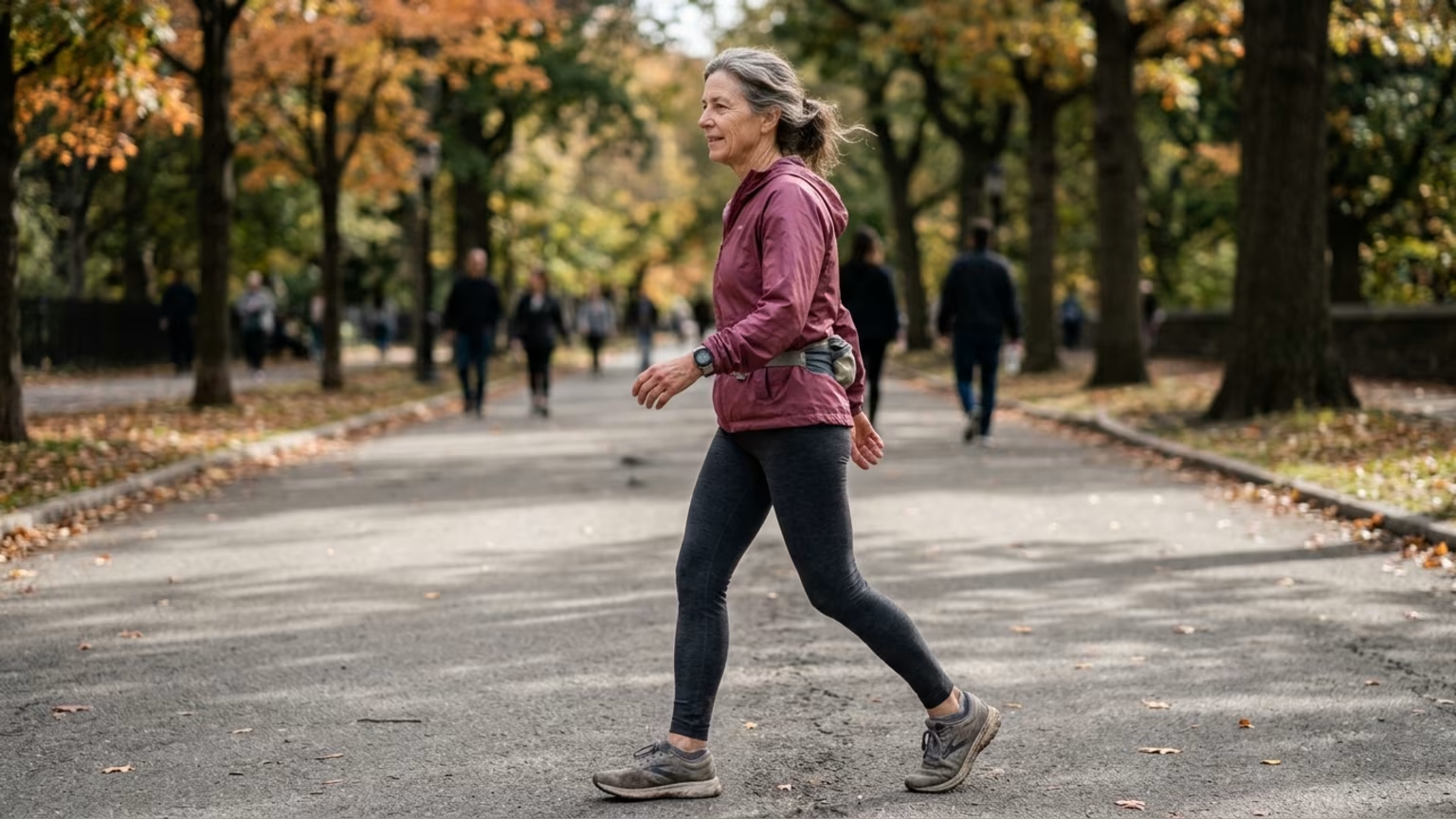

A 2026 UK Biobank analysis reveals that maintaining a brisk walking pace is associated with a lower mortality risk even for adults taking fewer than 5,000 steps a day.





In September 2026, a comprehensive analysis of UK Biobank data revealed that a faster walking pace is associated with a lower risk of mortality. Led by Emmanuel Stamatakis at the University of Sydney, the study examined activity data from more than 103,000 participants. The subjects wore wrist accelerometers for a week between 2013 and 2015, and researchers followed their outcomes for approximately eight years. The research indicates that adults who maintain a brisk cadence experience significant health benefits even if they take fewer than 5,000 steps a day.
When we walk with purpose, we increase our heart rate and engage our cardiovascular system more intensely. The researchers found that pacing out 80 to 100 steps per minute during the most active parts of the day correlates with better longevity outcomes. This moderate physiological demand encourages cardiovascular resilience without requiring hours of continuous exertion. Pushing the body to adapt to brief periods of effort appears to support overall metabolic function.
Crucially, this active window does not even need to happen all at once. By increasing the intensity of movement for just 30 accumulated minutes, the body still seems to adapt positively. Short bursts of purposeful walking throughout the day add up to a meaningful stimulus over time. While cardiovascular exercise is an important part of preventing lifestyle factors that accelerate skin aging, the immediate benefit here is systemic health rather than direct tissue repair.
The dataset offers specific insights into how cadence relates to mortality risk across different population sizes. The researchers tracked 64,743 participants for all-cause mortality and a separate group of 70,075 individuals for cardiovascular mortality. During the follow-up period, the team recorded 1,697 deaths from all causes alongside 502 cardiovascular deaths. This scale allows analysts to see clear patterns in how movement intensity affects long-term health across a wide demographic spectrum.
The team found that people taking fewer than 5,000 steps per day had a 28 percent lower risk of death from any cause if they reached about 80 steps per minute. This calculation compared them to a reference group taking the same low step count at a leisurely 45 steps per minute. When the pace increased to 90 steps per minute, that same low step count group showed a 36 percent lower all-cause mortality risk. For those taking more than 10,000 steps daily, reaching 90 steps per minute was associated with a 29 percent lower mortality risk.
For cardiovascular mortality specifically, risk consistently declined as cadence rose to approximately 90 steps per minute in the 7,500 to 10,000 step group. According to Euronews, maintaining a higher walking cadence may be a promising target for preventing premature mortality regardless of total daily steps. The absolute lowest all-cause risk in the entire analysis was seen among those walking 7,500 to 10,000 steps daily at roughly 100 steps per minute. However, real-world outcomes often differ from observational data, and wearable metrics do not guarantee specific results for everyone.
While the statistics are compelling, this analysis is strictly observational and cannot prove that walking faster directly causes a longer lifespan. People who naturally walk faster might also have better sleep habits, stronger baseline fitness, or fewer underlying health conditions. Furthermore, other published cohort analyses have not consistently found an independent mortality association for cadence after accounting for total daily steps. The broader scientific consensus on whether pace supersedes volume remains nuanced.
It is also crucial to note that this research focused entirely on all-cause and cardiovascular mortality. The data does not test or verify any direct improvements in skin elasticity, collagen production, or hair health. While improved circulation from exercise is generally beneficial for tissue vitality, this study cannot be used to claim that brisk walking reverses visible physical aging. Promoting a faster walk as a proven cosmetic intervention is simply not supported by the available data.
Exercise supports our body's underlying cellular energy systems, but these internal benefits do not automatically translate to smoother skin. Health-conscious adults should view brisk walking as a foundation for longevity rather than a specialized beauty treatment. Individual baseline health always plays a major role in how the body responds to any new physical routine.
For health-conscious women managing busy schedules, this data offers a flexible approach to cardiovascular wellness. You do not have to walk 10,000 steps a day to see meaningful benefits. The study team suggested that people with limited time could consider increasing their walking pace for at least 30 minutes per day. Because the study measured the most active 30 minutes without requiring them to be continuous, you can seamlessly break this time into shorter segments.
Three brisk ten-minute walks between meetings or errands are entirely valid and effective. Conversely, individuals who find brisk walking difficult can still benefit from accumulating 5,000 to 7,500 steps at a comfortable pace. The researchers noted that walking at approximately 60 steps per minute in this middle tier still yielded a 30 percent lower all-cause mortality risk compared to the low-cadence reference group. When you do choose to walk briskly, aim for a rhythm that noticeably raises your breathing rate while still allowing you to carry on a comfortable conversation.
It is important to view pace as an additional tool rather than a total replacement for daily movement. The analysis did not show that pace makes total walking volume irrelevant, as the best outcomes still appeared in higher step categories. If a high step count is entirely unrealistic for your lifestyle, adding purposeful faster walking is a highly practical compromise. This strategy helps you increase your movement intensity while you continue to build your overall daily step habits.
Stride length and height vary wildly from person to person, making a strict cadence number less important than the feeling of purposeful movement. Listen to your body and prioritize consistency over achieving perfect wearable metrics. If you have underlying medical conditions, it is always wise to consult a physician before significantly increasing your exercise intensity. Building this daily habit supports systemic circulation, which indirectly benefits your long-term wellness over many years.
If you are already prioritizing healthy nutrition and dietary habits, adding short bursts of brisk walking is a simple way to compound those benefits. Treat these faster walks as a core element of your routine rather than a punishing workout. You can easily build walks into your existing schedule by walking after meals, taking a longer route between appointments, or pacing during phone calls. It is a highly accessible lifestyle choice that requires no special equipment or expensive gym memberships.
As researchers continue to analyze vast pools of wearable activity data, we will likely gain an even clearer picture of how specific movement patterns influence our health. Will future clinical trials finally isolate the exact dose of exercise intensity needed to objectively delay cellular aging?
Stay connected for research and practical guidance on skin, hair, collagen, nutrition and beauty longevity. Clear ideas for people who want to understand how appearance changes with age and make better-informed choices over time.


Understand your skin, hair and body better without chasing every new trend, treatment or promise.
explore the Blog