

The American Academy of Dermatology lists 11 ways to reduce premature skin aging. Learn how sun protection and simple daily habits slow visible damage.





In February 2021, the American Academy of Dermatology updated its consumer guidance to outline eleven practical ways to reduce premature skin aging. This framework consolidates recommendations from board-certified dermatologists into a clear prevention model. Rather than focusing on unproven cosmetic trends, the publication emphasizes consistent environmental protection and fundamental daily habits. It serves as a measured resource for adults navigating the complex landscape of skincare.
The American Academy of Dermatology divides skin aging into two distinct categories. Intrinsic aging represents the natural biological changes dictated by our genes over time. This internal process happens continuously and cannot be stopped by topical products. Extrinsic aging is driven by environmental exposures and lifestyle choices that accelerate visible damage.
The current clinical guidance focuses entirely on mitigating extrinsic factors. By modifying daily habits, individuals can significantly slow the environmental damage that causes premature texture changes. This approach shifts the focus away from unproven marketing claims toward scientifically observed outcomes. The academy frames these visible changes not as aesthetic failures but as preventable biological wear.
Ultraviolet radiation from the sun is a primary driver of extrinsic damage. When UV rays penetrate the skin, they alter the cellular structure and accelerate premature breakdown. Tanning from natural sunlight or indoor equipment exposes the body to harmful radiation. This prolonged exposure speeds up the formation of lines and uneven pigmentation.
The academy explicitly states that individuals should use self-tanner instead of seeking real ultraviolet exposure. Any deliberate tanning is treated as an avoidable source of premature damage. Other lifestyle factors mechanically or biologically stress the skin over time. Smoking speeds up the skin aging process and contributes directly to a dull or sallow complexion.
Repetitive facial expressions also leave a lasting mark on the skin surface. Continual muscle contraction over many years eventually leads to visible lines. The guidance identifies these mechanical movements as long-term contributors to texture changes. Simple interventions, like wearing sunglasses, can reduce squinting and limit these specific mechanical lines.
The evidence supporting these eleven recommendations is not uniform across every lifestyle category. While sun protection and smoking cessation have robust clinical backing, other measures are presented with careful qualifications. The academy uses deliberately cautious language when discussing the impacts of diet and exercise. They note that findings from only a few studies suggest that fruit and vegetable consumption may help limit damage.
This careful phrasing makes scientific uncertainty visible for everyday consumers. A diet high in sugar or refined carbohydrates may accelerate aging, but no specific food is promised to prevent wrinkles. Similarly, the guidance notes that moderate exercise may support circulation and immune function. This improved circulation may give the skin a more youthful appearance, but it does not reverse photoaging.
The guidance also separates temporary cosmetic improvements from actual biological prevention. Daily moisturizer can help the skin retain water and look more youthful. However, the wording does not establish that moisturizers permanently rebuild collagen or reverse structural changes. When learning how to read skin aging research, this distinction between temporary hydration and long-term prevention is crucial.
Our team frequently encounters the psychological toll of aggressive marketing in the beauty industry. I remember speaking with a dermatologist who told me her patients were coming in with severe anxiety about normal skin aging. That anxiety was driven entirely by social media filters and aggressive product marketing. Following that conversation, we decided our publication would never frame natural changes like wrinkles as personal failures.
The American Academy of Dermatology guidelines align perfectly with this calm approach. The framework promotes looking well over time without treating novelty as scientific proof. They recommend consulting a professional dermatologist when signs of aging become genuinely bothersome. Prescription treatments and less-invasive procedures may help smooth texture or improve complexion when applied correctly.
However, the foundational advice remains accessible, realistic, and focused on basic prevention. The page does not recommend a particular brand, active ingredient, or cosmetic procedure. It simply consolidates practical habits that midlife adults can adopt immediately. This clear structure helps consumers separate useful evidence from daily marketing noise.
For health-conscious women, the academy provides a clear roadmap for everyday routines. The most essential step is daily photoprotection on all exposed skin using a broad-spectrum sunscreen. This sunscreen should be water-resistant with an SPF of 30 or higher. Protection is strictly necessary even for routine errands rather than just extended beach exposure.
Topical application is only one part of the recommended sun defense strategy. Individuals should also seek shade and wear sun-protective clothing whenever possible. Adding a wide-brimmed hat and UV-protective sunglasses creates a comprehensive barrier against radiation. You can read more about these foundational concepts in our Skin Longevity & Healthy Aging section.
Daily cleansing routines should prioritize gentleness over aggressive scrubbing or harsh exfoliation. The academy recommends washing the face exactly twice daily and immediately after heavy sweating. Scrubbing the face can severely irritate the skin and accelerate a weathered appearance. Instead, individuals should cleanse gently to maintain a healthy and resilient surface barrier.
Product formulation matters immensely for long-term resilience and overall skin comfort. Consumers should immediately stop using non-prescription skincare products that sting or burn. This visible irritation can actually make the skin look older and more damaged over time. The only exception involves certain prescribed treatments that may cause temporary discomfort.
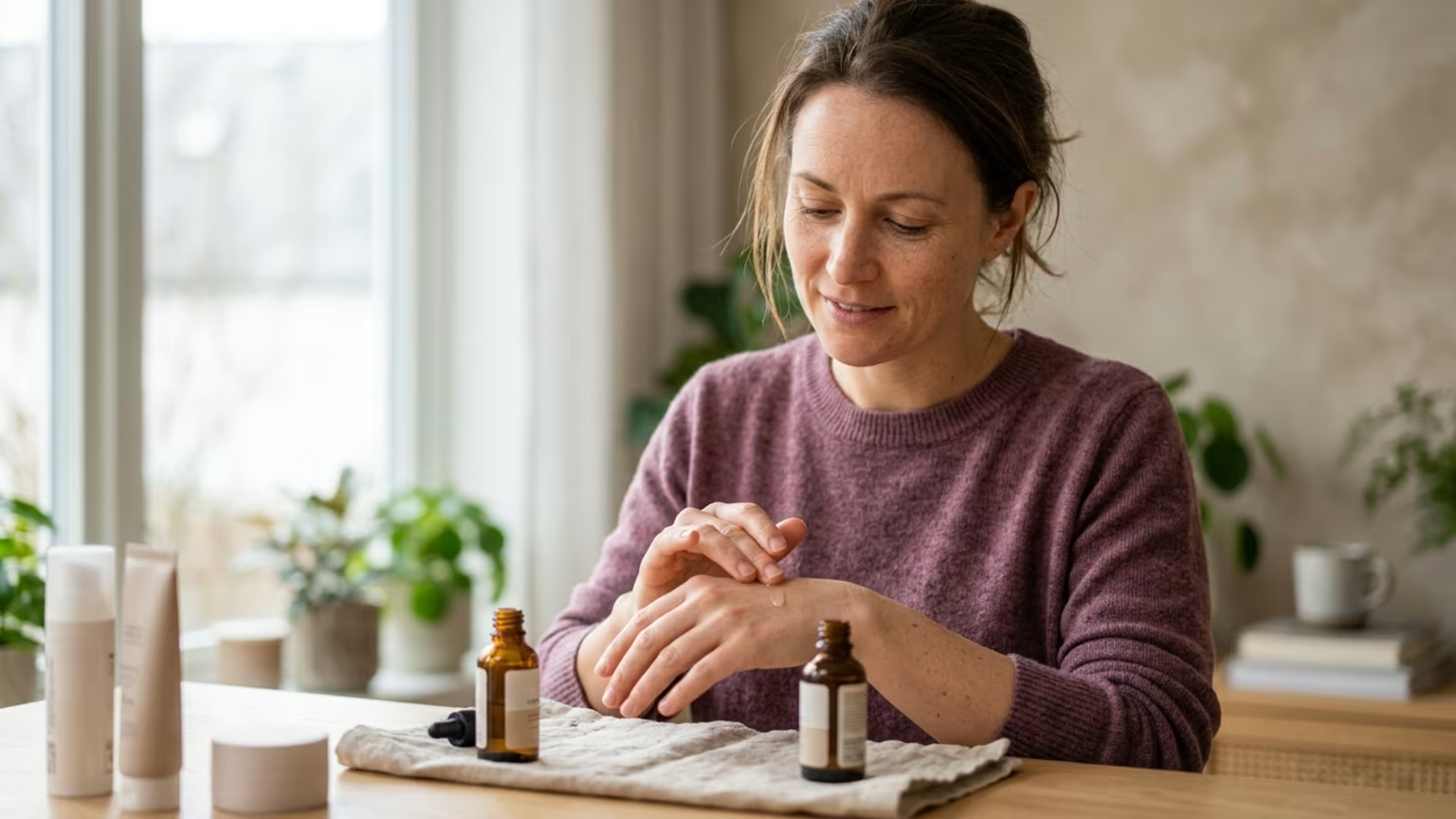
In these specialized cases, patients must discuss the reaction directly with their prescribing dermatologist. Moisturization should also be viewed as a daily tool for hydration rather than a structural fix. Applying a facial moisturizer daily traps water in the skin for a healthier appearance. You can read more about how internal structures actually break down in our guide on how the dermal matrix changes over time.
Consumers should not view topical hydration as a collagen-rebuilding treatment unless separate evidence supports that specific claim. Lifestyle modifications like smoking cessation are among the clearest actions you can take for skin health. People who stop smoking often notice healthier-looking skin relatively quickly. Finally, drinking less alcohol serves as another general health habit that supports visible longevity.
As clinical research continues to separate biological changes from environmental damage, our understanding of daily interventions will only grow sharper. We are seeing a steady shift away from aggressive treatments toward sustainable barrier protection. Will future guidelines place a heavier emphasis on specific environmental pollutants, or will foundational habits like sun protection remain the undisputed gold standard?
Stay connected for research and practical guidance on skin, hair, collagen, nutrition and beauty longevity. Clear ideas for people who want to understand how appearance changes with age and make better-informed choices over time.



Understand your skin, hair and body better without chasing every new trend, treatment or promise.
explore the Blog