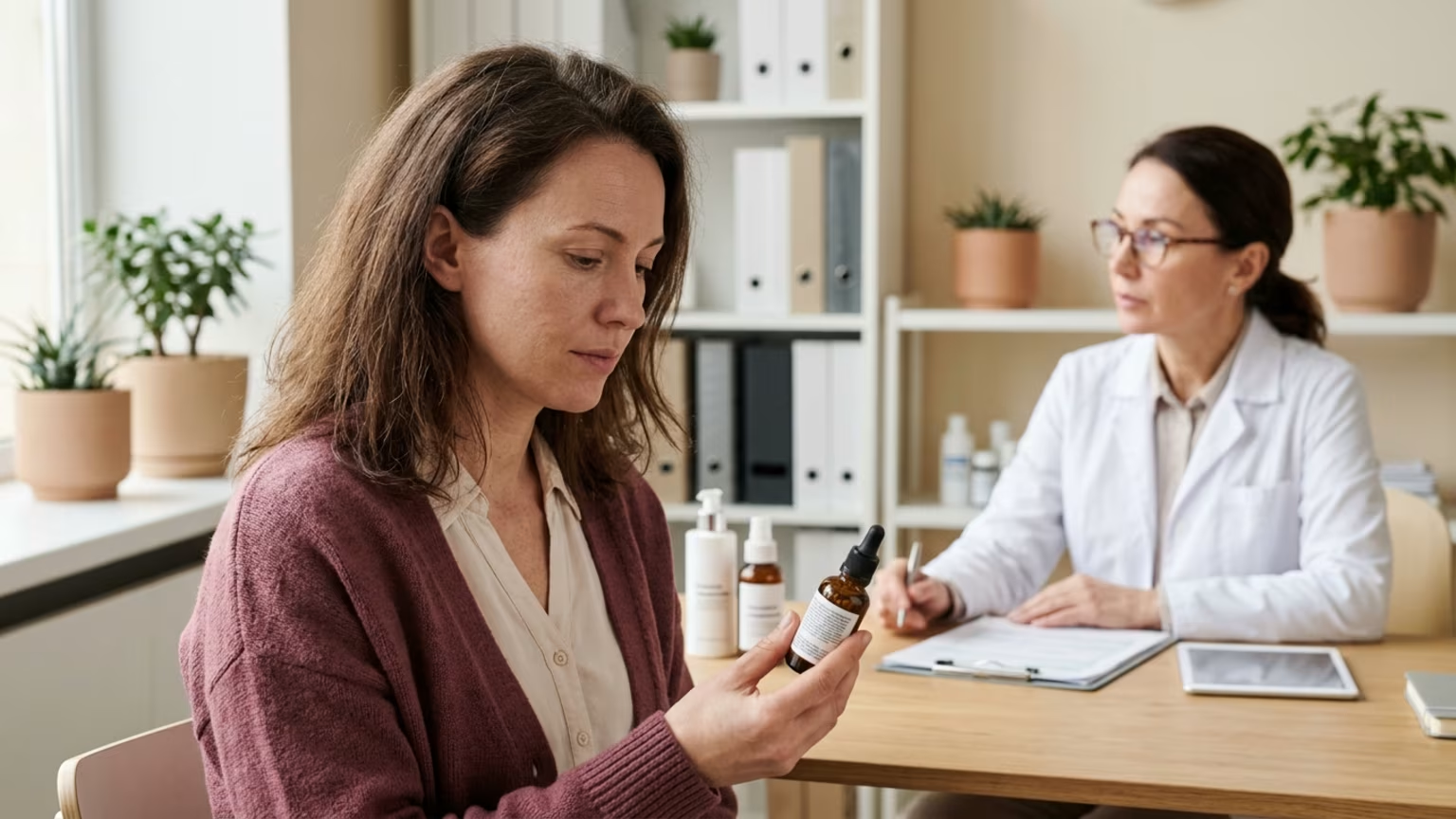

Learn why dermatologists caution that popular scalp care trends and cosmetic serums cannot replace proper medical evaluation for true hair loss.





In September 2026, a new report published by the Brazilian outlet Estado de Minas highlighted a rapidly growing trend in the beauty industry. Consumers are increasingly treating their scalps as an extension of their facial skincare routines. This movement includes a surge of new serums, tonics, and exfoliants designed specifically for direct application to the roots. The category is heavily influenced by Korean cosmetics and features ingredients such as caffeine, vitamins, and peptides.
Beyond retail products, the trend has expanded into specialized clinics and salons. One popular example is the Head Spa, a Japanese ritual combining scalp cleansing, massage, and aromatherapy. However, dermatologists caution that while these products may improve scalp comfort, robust evidence is lacking to show they can stop true hair loss.
The core biological finding here centers on the difference between surface hygiene and follicular function. The scalp functions as a protective barrier that houses sebaceous glands, blood vessels, and thousands of follicles. Targeted cosmetics and specialized applicators can certainly help manage oiliness, mild flaking, and inflammation. Improving these conditions often enhances the cosmetic appearance and subjective quality of the hair.
Unfortunately, a comfortable scalp does not automatically translate to increased hair density. Persistent shedding typically stems from complex internal factors that surface-level cosmetics simply cannot reach. The American Academy of Dermatology notes that hair loss has many possible causes. These triggers include hereditary factors, hormonal changes, and nutritional deficiencies.
The organization identifies female pattern hair loss as the most common cause in women. Hormones may play a significant role in this specific condition, and it becomes notably more common after menopause. Therefore, while scalp serums address the surface environment, they cannot resolve the deeper biological drivers of shedding.
When we look at the clinical data for actual hair loss treatments, the reality of medical intervention becomes clear. The American Academy of Dermatology emphasizes that treatment effectiveness depends entirely on identifying the correct underlying cause. For those diagnosed with female pattern hair loss, studies indicate that prescription spironolactone is effective in approximately 40% of women. In one specific study cited by the organization involving 166 women taking spironolactone, 42% reported mild improvement.
Furthermore, 31% of the women in that same study reported increased thickness. Even over-the-counter medical options require significant patience and consistency. Minoxidil may help with early hair loss, but it generally requires approximately six to twelve months before results become visible. The organization also notes that the benefits of minoxidil are lost if the treatment is discontinued.
These precise metrics illustrate why medical treatments are carefully selected based on a formal diagnosis rather than broad cosmetic appeal. The clinical data provides a clear contrast to the immediate results often promised by cosmetic marketing.
It is equally important to acknowledge the limitations of the current scalp care trend. The evidence assembled by Estado de Minas does not support presenting caffeine, peptides, or vitamins as proven hair-regrowth treatments. While a Head Spa experience or a rigorous scalp massage may provide relaxation, there is no proof that aromatherapy reverses alopecia. Relying solely on aesthetic protocols can actually be detrimental if it delays proper medical evaluation.
The American Academy of Dermatology states that earlier treatment can significantly improve the likelihood of regrowth in many clinical cases. Furthermore, patients should never assume that natural supplements are automatically safe alternatives to medical care. The organization specifically warns that excessive iron intake can cause poisoning. Essential nutrients like biotin, iron, and zinc should only be utilized when formal testing confirms a deficiency.
Not all hair shedding signals permanent follicular damage. The American Academy of Dermatology explains that hair may regrow after certain temporary triggers. These temporary events include childbirth, major illness, and substantial weight loss. However, delaying a professional evaluation still carries risks when the underlying cause requires medical intervention to prevent further loss.
Health-conscious women can apply these insights by setting clear boundaries between cosmetic maintenance and medical care. You can absolutely enjoy scalp-care products for cleansing, managing oil production, and reducing mild flaking. These rituals should simply remain supportive additions rather than primary treatments for true density loss.
I remember speaking with a dermatologist who told me her patients were coming in with severe anxiety about normal skin aging. That anxiety was driven entirely by social media filters and aggressive marketing. That conversation became a cornerstone of our philosophy. We decided right then that our publication would never frame natural changes like wrinkles or thinning hair as personal failures.
If you notice a widening part, persistent thinning, or sudden shedding, you should seek a professional evaluation. This step is particularly urgent if the hair loss occurs alongside pain, intense itching, or visible wounds. To maximize your visit, you might consider preparing for a hair loss appointment by documenting exactly when the shedding began. A board-certified dermatologist will typically examine your scalp, perform a hair-pull test, and review your history.
When a doctor suspects an infection or a hormonal imbalance, they may order blood testing or a biopsy. It is crucial to wait for these results before starting new supplements. Understanding the distinct causes of female pattern hair loss ensures you focus on evidence-based medical options rather than fleeting cosmetic trends.
As the beauty industry continues to blend the lines between skincare and haircare, consumers will inevitably face an overwhelming array of product choices. The rising popularity of scalp serums and spa rituals highlights a clear desire for comprehensive, soothing self-care routines. However, the medical reality firmly separates surface comfort from clinical follicular treatment. As researchers continue to study the complex biology of the scalp, one has to wonder how emerging diagnostic tools might eventually bridge the gap between daily cosmetic habits and targeted medical interventions?
Stay connected for research and practical guidance on skin, hair, collagen, nutrition and beauty longevity. Clear ideas for people who want to understand how appearance changes with age and make better-informed choices over time.





Understand your skin, hair and body better without chasing every new trend, treatment or promise.
explore the Blog