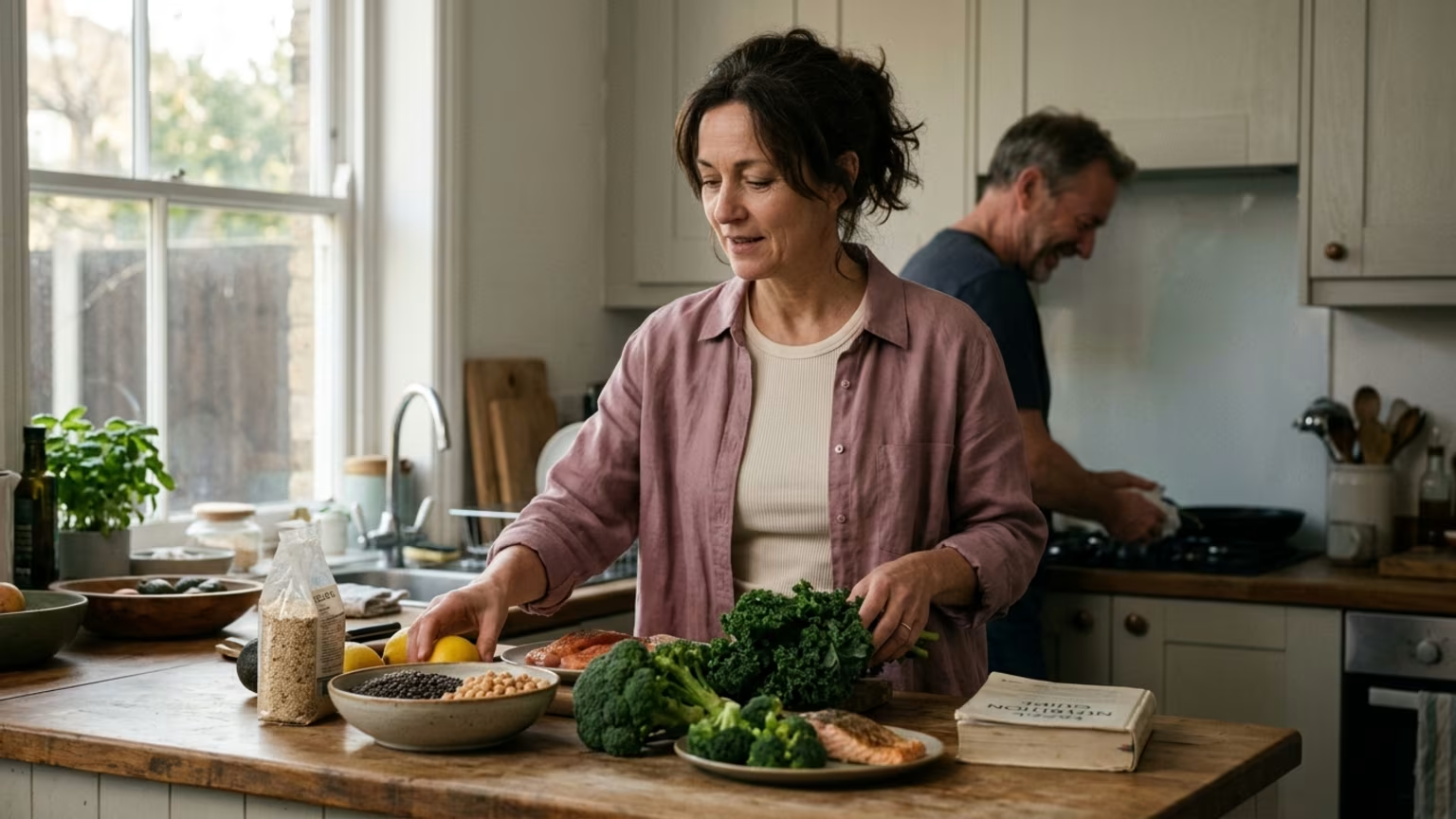

A September 2026 feature in Now To Love recommends 25 to 35 grams of protein per meal and 30 grams of daily fibre to support perimenopause health.





In September 2026, the publication Now To Love released a new expert-led framework for women navigating perimenopause. The feature outlines a practical approach to midlife nutrition by focusing heavily on meal composition rather than strict calorie restriction. According to the article, the central recommendation is to build meals around 25 to 35 grams of protein. It also advises readers to aim for at least 30 grams of daily fibre from plant sources like berries, lentils, oats, and leafy greens.
The feature also provides concrete food examples to help midlife readers organize their weekly shopping. Greek yogurt, beans, oily fish, and flaxseed are highlighted as nutrient-dense staples. Furthermore, the article advises against skipping meals, suggesting that consistent eating patterns are highly beneficial. Limiting ultra-processed foods and alcohol is recommended to support better sleep and steadier energy throughout the day.
During perimenopause, changing ovarian hormones can alter how the body processes nutrients and maintains its structural tissues. The Now To Love feature emphasizes pairing carbohydrates with protein, dietary fats, and fibre. This specific combination is designed to support blood-sugar management and provide steady energy. Rather than relying on rigid dieting rules, the focus shifts toward providing the body with consistent nutritional building blocks.
Protein supplies the essential amino acids required to maintain muscle mass and support ongoing tissue repair. Sources like dairy, eggs, and fish contain leucine, an amino acid that helps stimulate muscle maintenance. Fibre works alongside protein to support overall digestion, gut function, and metabolic health. By consistently combining these nutrients, women can support their physical foundation during a period of significant biological transition.
While the Now To Love feature suggests 25 to 35 grams of protein per meal, broader clinical guidelines offer varied perspectives. A 2026 review of metabolic changes during perimenopause notes that European organizations commonly recommend 1.0 to 1.2 grams of protein per kilogram of body weight per day for healthy older adults. This breaks down to roughly 20 to 25 grams of high-quality protein per meal. Meanwhile, Mayo Clinic Press identifies a baseline of 0.8 grams per kilogram daily for healthy adults, though it notes needs can clearly rise with age or activity.
Mayo Clinic Press also presents approximately 20 to 30 grams of protein per meal as a highly practical target for some adults seeking to maintain muscle. Fibre recommendations similarly vary across different clinical sources depending on the specific population being studied. The Now To Love article sets a target of at least 30 grams per day. In contrast, the 2026 perimenopause review cites commonly used clinical targets of roughly 21 to 25 grams of daily fibre.
This period of life also brings notable changes to physical health, particularly concerning skeletal strength. The 2026 review states that accelerated bone loss during the menopausal transition makes adequate calcium and vitamin D vital. Many guidelines recommend 1000 to 1200 milligrams of calcium and 600 to 1000 IU of vitamin D per day for postmenopausal women. Maintaining these nutrient levels provides essential structural support alongside a protein-focused eating pattern.
It is crucial to accurately recognize what a protein-focused eating pattern does not do. The cited evidence does not prove that eating Greek yogurt or flaxseed will independently reverse age-related skin changes or improve hair density. A nutrient-dense diet cannot halt the natural biological aging process or eliminate all midlife symptoms. Furthermore, dietary changes alone are simply not enough to prevent menopause-related muscle loss.
The 2026 perimenopause review emphasizes that adequate protein must always be paired with regular physical activity. Specifically, resistance exercise is required to maintain or actively increase muscle mass. The dietary targets are also not universal medical prescriptions for every single woman. People with kidney disease, osteoporosis, or other specific health conditions may need highly individualized advice rather than a fixed meal target.
It is also important to note that sudden dietary shifts can cause physical discomfort. For example, rapidly increasing fibre intake can lead to digestive issues if it is not introduced gradually. The Now To Love framework is intended to support metabolic health, but it should not be viewed as a standalone clinical treatment for severe perimenopause symptoms. Proper medical guidance remains essential for addressing significant hormonal fluctuations.
"I remember speaking with a dermatologist who told me her patients were coming in with severe anxiety about normal skin aging. That anxiety was driven entirely by social media filters and aggressive marketing. That conversation became a cornerstone of our philosophy. We decided right then that our publication would never frame natural changes like wrinkles or thinning hair as personal failures."
Instead of viewing midlife nutrition as a restrictive tool, we can approach it as a supportive foundation for healthy aging. To translate this research into your daily routine, start by assessing the protein and fibre content of your typical meals. You might incorporate Greek yogurt with berries for breakfast, a salad with lentils and salmon for lunch, or a dinner featuring beans and leafy greens. The goal is to establish a consistent healthy aging routine rather than striving for rigid dietary perfection.
You can also add ground flaxseed, nuts, or psyllium to meals to easily boost your fibre intake. Limiting ultra-processed foods and alcohol can further support your blood-sugar management and overall sleep quality. If you are highly focused on maintaining muscle, ensure that you are pairing your protein intake with appropriate movement. Resistance training gives your body a powerful physiological reason to utilize the protein you consume.
As research continues to clarify the relationship between diet and hormonal transitions, the focus is shifting away from restriction and toward targeted nourishment. Scientists are looking closer at how specific amino acids, plant fibres, and lifestyle habits interact with our changing biology. The current evidence clearly highlights the importance of a comprehensive approach to muscle, bone, and skin health. How will future clinical guidelines continue to personalize these nutrition targets to better support the evolving physical needs of women during perimenopause?
Stay connected for research and practical guidance on skin, hair, collagen, nutrition and beauty longevity. Clear ideas for people who want to understand how appearance changes with age and make better-informed choices over time.




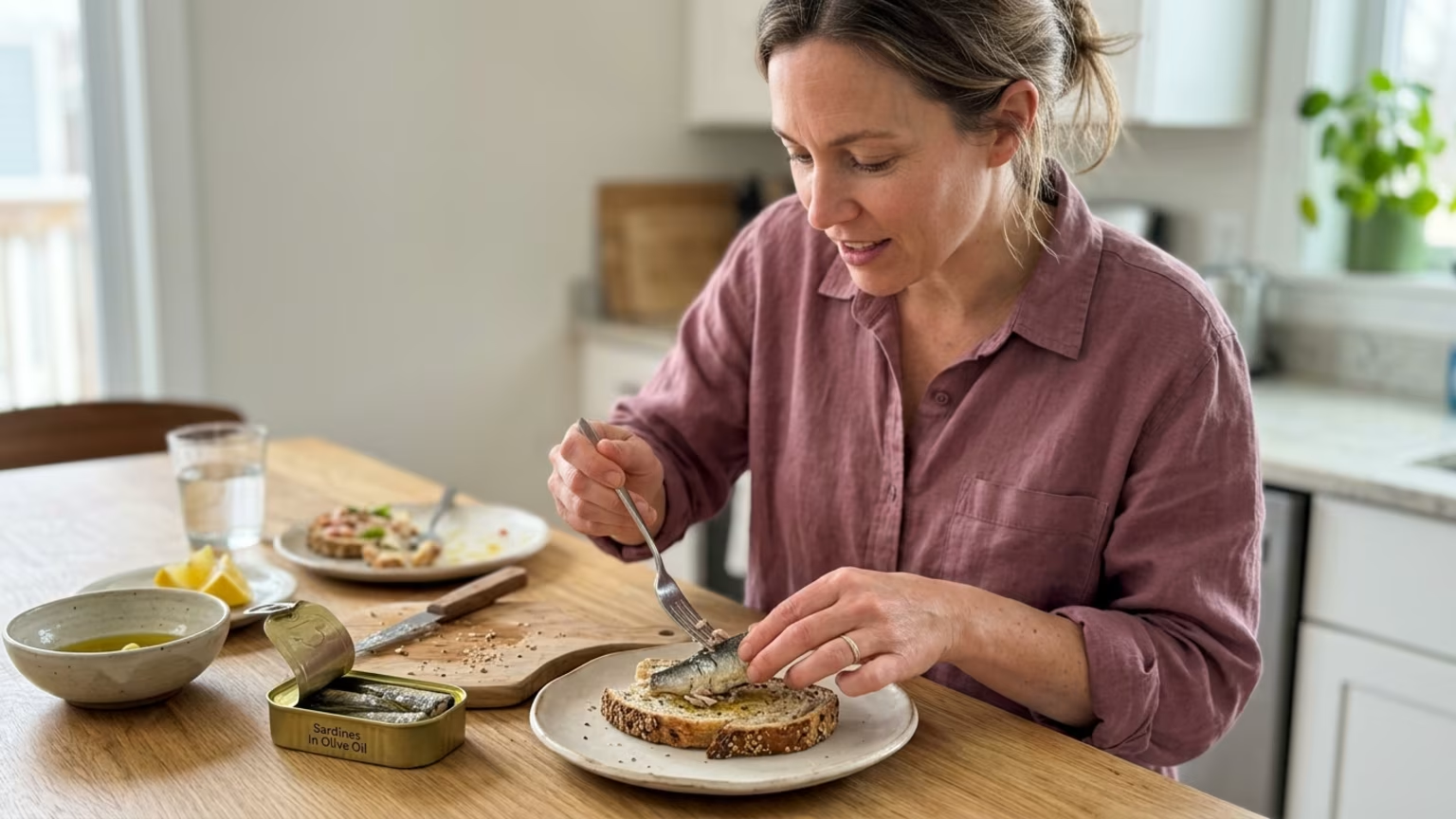
Understand your skin, hair and body better without chasing every new trend, treatment or promise.
explore the Blog